Performance and operational safety
Transport infrastructure is essential for the mobility of people and goods and requires reliable, safe systems that comply with the highest standards. Whether airports, rail stations, or seaports, each site must incorporate robust emergency communication systems to ensure user safety, smooth operations, and resilience in the face of unforeseen events.
International and regional airports
- Airports are highly strategic environments where emergency communications performance is paramount.
- Design and validation of public address and warning systems integrated with passenger call systems.
- Implementation of redundancy mechanisms ensuring continuous broadcasting in critical situations.
- Verification of compliance with applicable standards for aviation safety and airport operations.
- These measures contribute to the efficient management of passenger flows and a high level of safety at all times.
Railway and subway stations
- Railway stations and subway stations require clear, immediate emergency communications that comply with the regulatory requirements for guided transport.
- Installation of intercom and notification systems dedicated to emergency situations.
- Conducting acoustic studies and simulations to ensure message intelligibility in very noisy environments.
- Technical inspections and compliance validation according to NFPA 130 requirements for rail transportation systems.
- These interventions ensure the reliable dissemination of critical information, which is essential for user safety and coordinated incident management.
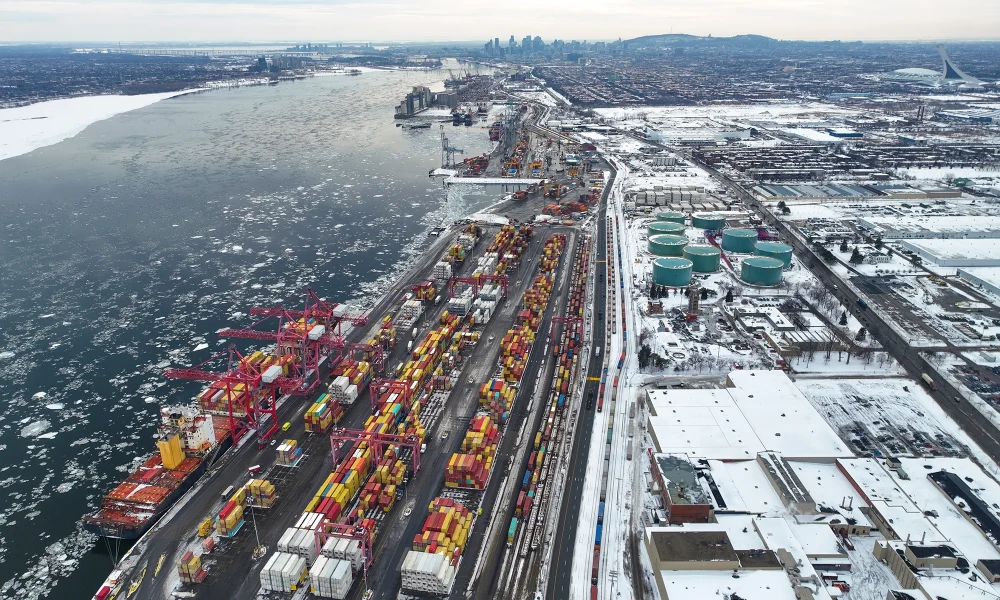
Seaports and shipyards
- Ports and maritime facilities are complex environments where operational and climatic risks are significant.
- Design of communication systems adapted to exposed and corrosive environments.
- Assessment of risks associated with maritime activities and integration of solutions that comply with industry requirements.
- Supervision and validation of facilities to ensure the safety of crews, goods, and port operations.