Essential and sustainable infrastructure
Essential public services play a critical role in the functioning of communities. Whether it's water treatment, gas distribution, or waste management, each facility must be designed and operated with rigor to ensure safety, regulatory compliance, and continuity of operations. Emergency communication and warning systems are key to protecting workers, the public, and the environment.
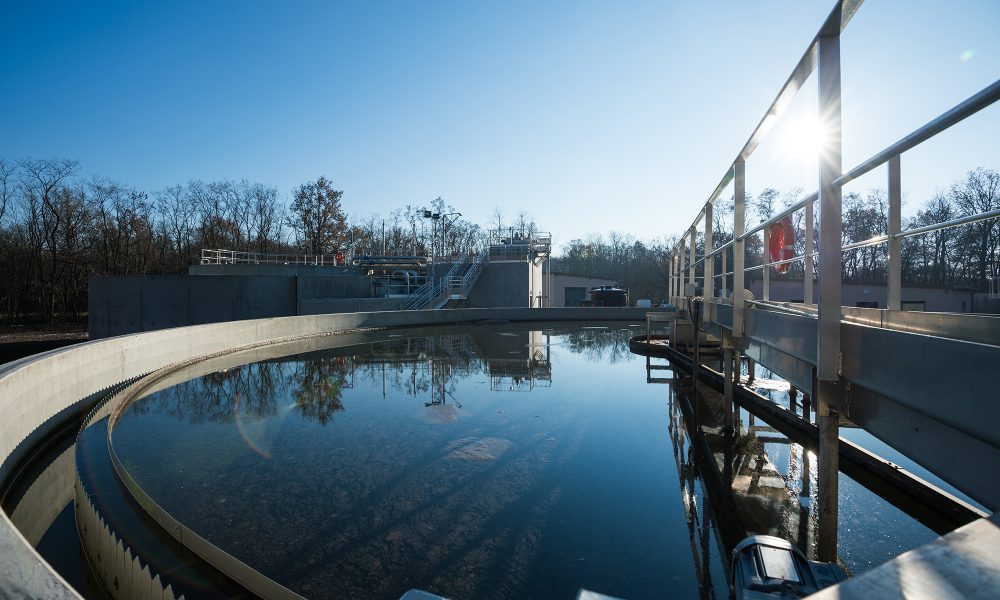
Water treatment plants
- Drinking water and wastewater treatment plants require robust, supervised emergency communication systems to ensure the quality of supply and the safety of operations.
- Design and validation of communication, warning, and alert systems adapted to technical environments.
- Monitoring and verification of critical facilities to prevent the risk of contamination, overflow, or failure.
- Production of technical documentation in accordance with regulatory requirements.
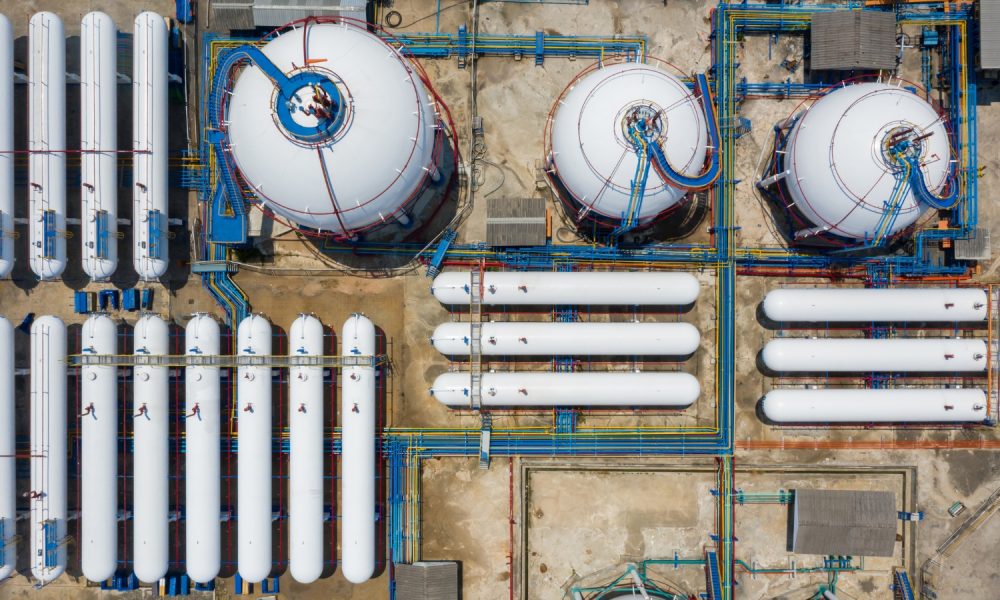
Gas distribution centers
- Gas distribution is a strategic service that requires reliable, safe infrastructure that complies with the strictest standards.
- Integration of supervision and communication systems in sensitive environments.
- Technical assessments aimed at enhancing operational safety.
- Implementation of redundancy and continuity mechanisms to ensure service continuity in the event of an emergency.
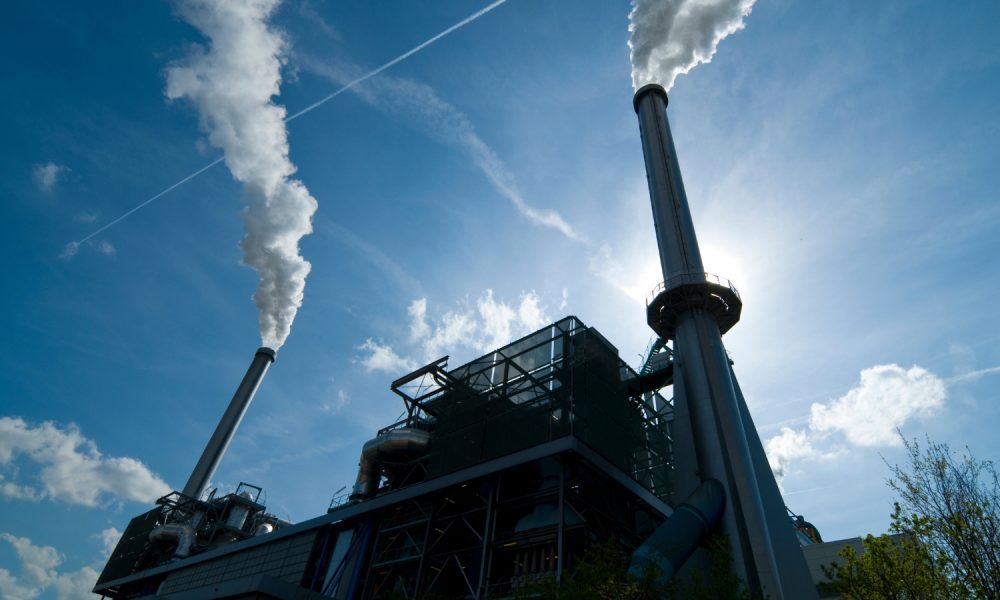
Landfills and incinerators
- Landfills and incineration facilities must meet high standards in terms of safety, the environment, and risk management.
- Technical analyses aimed at optimizing facility performance and reducing operational risks.
- Design of communication systems adapted to demanding environments, potentially corrosive or isolated.
- Validation of equipment and monitoring systems to comply with environmental standards and regulatory requirements.