
Construction site supervision and quality control
- Site supervision involves monitoring the progress of the work and verifying that each installation complies with the plans, specifications, and regulatory requirements. This component includes:
- Inspection of installed equipment, including emergency amplifiers, loudspeakers, consoles, control panels, and associated networks.
- Verification of connections, backup power supplies, and redundancies.
- Assessment of on-site security practices.
- Progressive validation of critical steps to prevent errors and reduce risks.
- This continuous monitoring ensures consistent quality and full compliance throughout the entire process.


Start-up tests and final validations
- Once installation is complete, commissioning allows the entire system to be tested under actual operating conditions. This step includes:
- Comprehensive functional testing of distribution, supervision, and communication.
- Endurance and stability tests to confirm the system's continued performance.
- Validation of sound coverage, visual alarms, and control interfaces.
- Detailed documentation of the results and recommendations for adjustment.
- These validations ensure that the system meets expectations in terms of security, performance, and resilience.
Workshop testing, field testing, and pre-operational checks
- Before being put into service, emergency communication systems must undergo rigorous testing, both in the workshop and on site. These tests include:
- Workshop testing of equipment prior to deployment, including electrical, functional, and endurance testing.
- On-site testing of each component, circuit, zone, and control interface.
- Pre-operational checks to confirm the integrity of circuits, sound paths, power supplies, and redundancy devices.
- Validation of priority logic, messages, evacuation methods, and local or centralized triggers.
- Test plans and procedures are prepared in a structured manner to ensure consistent, traceable execution that is aligned with the required standards.

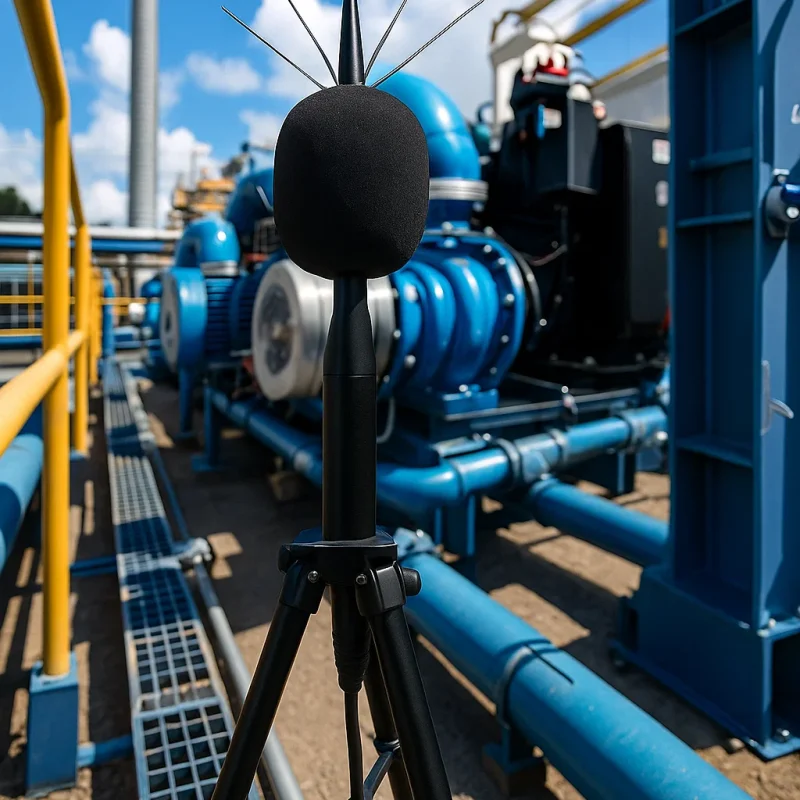
Audibility and intelligibility readings
- Audibility and intelligibility readings are essential to ensure that emergency messages are clearly heard and understood in all environments. These readings include:
- Audibility measurements to confirm the range and compliance of sound levels.
- Speech intelligibility tests (STI or equivalent) to measure speech clarity.
- Analysis of acoustic shadow zones and proposal of corrective measures.
- Validation under real or simulated conditions, depending on the site's requirements.
- Thanks to an integrated approach combining monitoring, technical testing, pre-operational testing, endurance testing, and acoustic analysis, each project benefits from comprehensive and reliable validation, ensuring the safety, compliance, and optimal performance of the installed systems.