
Periodic testing and verification of systems
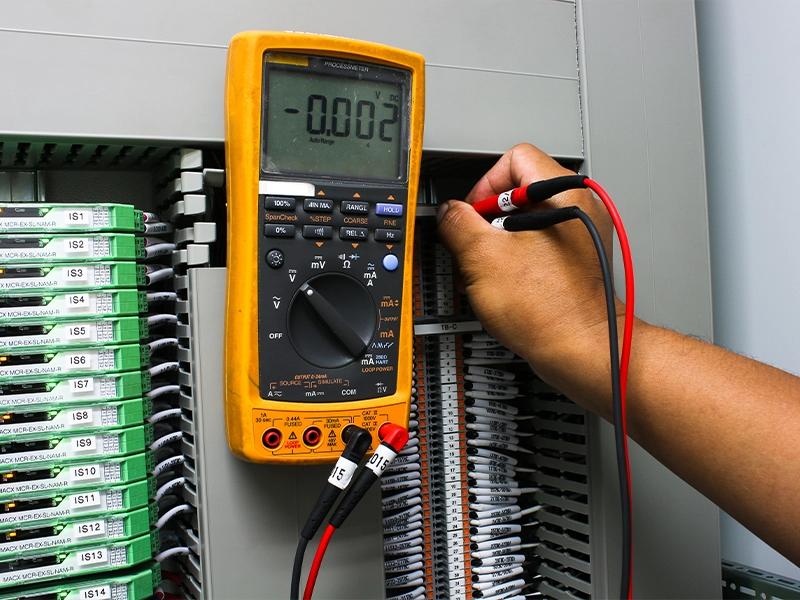
- Annual tests include a complete inspection of all components and circuits of emergency systems. This verification covers:
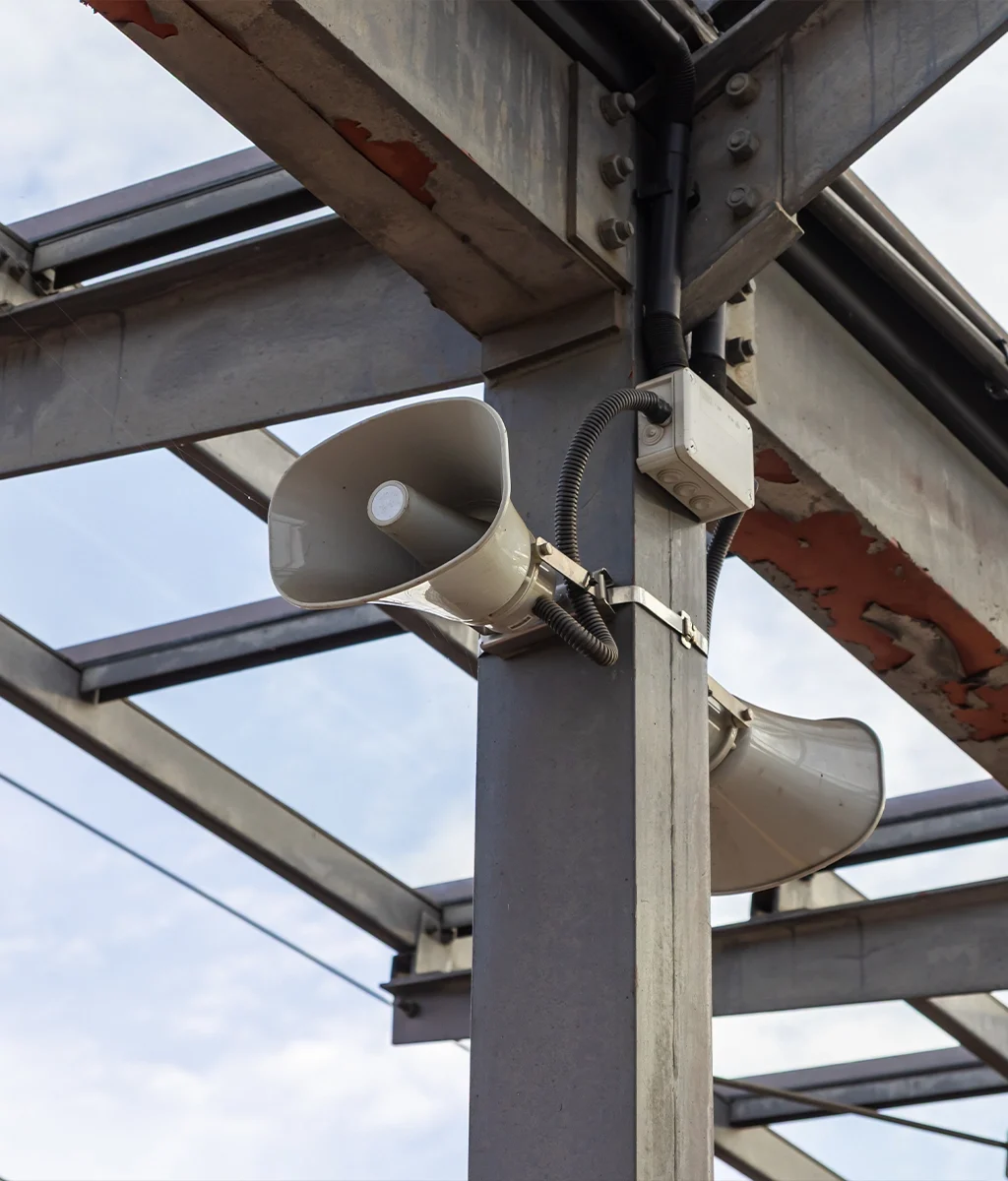
- Broadcasting equipment, such as speakers, amplifiers, announcement consoles, and control panels.
- Notification and communication devices, including intercoms, local controls, alert buttons, and audible or visual signals.
- Cable routes, main power supplies, and backup power supplies.
- Redundancy, supervision, and fault monitoring mechanisms.
- Critical connections and interfaces with other security systems.
- These tests help confirm operational continuity, prevent failures, and maintain a high level of safety.
Certificate of compliance and staff training update
- When systems meet applicable requirements, a certificate of compliance is issued confirming that the installation complies with current standards, including CSA, ULC, UL, and NFPA requirements, depending on the type of system. It is also essential to update the training of personnel responsible for operation and maintenance. This training allows:
- To review operating and intervention procedures.
- To reinforce good security practices.
- To ensure a rapid and effective response in the event of an emergency.
- The combination of rigorous testing, detailed reporting, and up-to-date training ensures the long-term reliability of emergency communication systems and contributes directly to the protection of people and infrastructure.
Annual system status reports
- Following the tests, a detailed report is produced to document the condition and performance of the system. It includes:
- The results of all checks performed.
- The anomalies identified, their potential impact, and the priorities for action.
- Technical recommendations for necessary corrections, adjustments, or replacements.
- The traceability information required for regulatory tracking and maintenance programs.
- This report becomes an essential reference tool for managing and planning future interventions.